Parents searching for the cost of a children’s dental cleaning usually want a clear answer before booking that first visit. The short version: cost depends on your child’s age, what’s included in the visit, and your insurance coverage. Most preventive cleanings for children are covered at or near 100% by dental plans.
At Malbis Parkway Pediatric Dentistry, our board-certified pediatric dentists focus on making every professional cleaning gentle, educational, and reassuring for both you and your child.
What Is a Kids Dental Cleaning?
A children’s professional cleaning, also called a pediatric prophylaxis, is a preventive procedure that removes plaque, tartar, and surface stains from a child’s teeth. It’s typically paired with an oral health exam and recommended every six months. Pediatric cleanings differ from adult cleanings in technique, tools, and comfort focus, with each step adjusted to a child’s age and temperament.
Plaque is the soft, sticky film that builds up between brushings. When it hardens, it becomes tartar, which only a dental professional can remove. Surface stains from foods, drinks, and even some children’s vitamins also come off during the polishing step.
Why Are Pediatric Cleanings Different?
Children aren’t just small adults. Their teeth, gums, and emotional readiness require a different touch. Our pediatric-trained hygienists use smaller instruments, kid-friendly flavors, and clear explanations of every step. This helps build trust and supports a positive dental experience from the very first visit.
The American Academy of Pediatric Dentistry (AAPD) recommends a dental visit by age 1 or within six months of the first tooth erupting. Regular cleanings starting young set the stage for a lifetime of healthy smiles.
What Happens During the Visit?
A typical professional cleaning appointment includes:
- A friendly hello and a quick tour of the equipment, which puts first-time visitors at ease
- A gentle oral health exam to check teeth, gums, and bite
- Plaque and tartar removal using small, child-sized instruments
- Polishing with flavored paste to smooth and brighten teeth
- An optional fluoride treatment that adds extra cavity protection
- A relaxed review of brushing and flossing tips with you and your child
Cleanings are routine, but they’re also one of the most important tools we have to prevent decay before it starts.
How a Pediatric Dental Cleaning Works
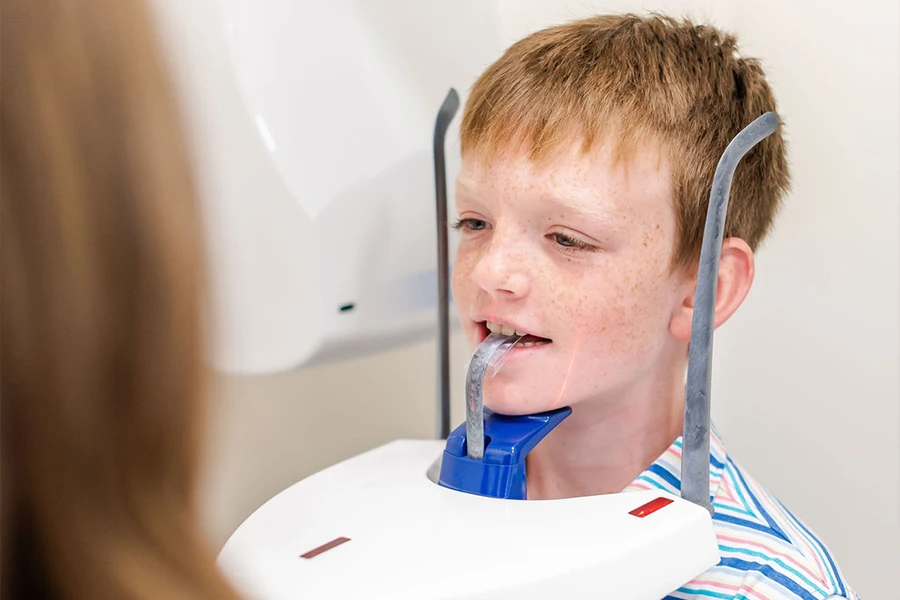
A pediatric dental cleaning follows five clear steps: an oral health exam, plaque and tartar removal, polishing, an optional fluoride treatment, and oral hygiene coaching. The typical visit lasts 30 to 45 minutes, depending on your child’s age, cooperation level, and whether X-rays or sealants are part of the appointment.
Here’s what each step looks like in our practice.
What Happens During the Oral Health Exam?
Before any cleaning begins, one of our doctors or hygienists reviews your child’s dental history and checks their teeth, gums, bite, and soft tissues. We look for early signs of decay, alignment concerns, or developmental issues. This is also a great time for you to ask questions.
How Is Plaque and Tartar Removed?
Using small, gentle instruments, we remove plaque and tartar buildup from the surfaces of the teeth and along the gumline. For most children, this part is quick and comfortable. We narrate what we’re doing in kid-friendly language so nothing feels like a surprise.
What Does the Polishing Step Involve?
Next comes the part most children love. A soft rubber cup with flavored polishing paste smooths the tooth surfaces and lifts away stains. Your child usually gets to pick the flavor, whether that’s bubblegum, strawberry, or mint, which makes the moment feel more like a treat than a treatment.
Why Is a Fluoride Treatment Recommended?
Fluoride strengthens enamel and helps protect against cavities. We apply a quick varnish or foam treatment after polishing. Many insurance plans cover fluoride for children under a certain age.
What Does Oral Hygiene Coaching Cover?
We end the visit by walking through brushing and flossing tips tailored to your child’s age. For little ones, that might mean a demonstration on a stuffed animal. For older children, we cover technique, diet, and how to care for braces or retainers if needed.
Benefits of Regular Dental Cleanings for Kids
Routine cleanings do far more than freshen breath. They protect your child’s developing smile in ways daily brushing alone can’t.
Key benefits include:
- Cavity prevention. Removing plaque and tartar regularly stops decay before it starts.
- Early problem detection. Catching small issues early means simpler, more affordable treatment.
- Positive habits. Children who visit twice a year tend to develop stronger at-home routines.
- Reduced dental anxiety. Familiar, friendly visits help your child feel calm instead of nervous.
- Healthy baby teeth. Baby teeth guide adult teeth into place, so protecting them matters for long-term alignment.
- Cleaner hard-to-reach spots. Even the best brushers miss areas where buildup hides.
Beyond the clinical wins, regular cleanings give you peace of mind. You’ll know exactly how your child’s smile is developing and what to watch for between visits. That’s a big part of what we mean by connected care for growing smiles.
Cleaning vs. Other Preventive Options
A standard professional cleaning is the foundation of pediatric dental care, but it’s not the only preventive tool available. Here’s how the options compare.
When Is Each Option Appropriate?
Routine cleanings work for nearly every child. Fluoride is a smart add-on for children at higher cavity risk. Sealants make sense once permanent molars come in, since those grooves trap food easily. Silver diamine fluoride is a minimally invasive option we discuss when a young child has early decay but isn’t ready for traditional treatment.
At-home brushing is non-negotiable, but it has limits. Even with great technique, plaque hardens into tartar within a couple of days, and only professional tools remove it.
What Affects the Cost of a Kids Dental Cleaning?
The cost of a children’s dental cleaning depends on several factors: your child’s age, how much buildup is present, what’s included in the visit (exam, X-rays, fluoride), insurance coverage, and any add-on services. Most dental insurance plans cover preventive visits at or near 100%, which means many families pay little to nothing out of pocket.
Here’s a closer look at what shapes the final price.
What Factors Influence the Cost?
What’s Typically Included in the Visit?
A standard pediatric professional cleaning visit usually includes the oral health exam, plaque and tartar removal, polishing, and a fluoride treatment. X-rays are taken on a schedule recommended by our doctors based on your child’s age and risk level, not at every visit.
How Do Insurance and Payment Work?
Most dental insurance plans treat children’s preventive visits as covered benefits, often at 100% twice per year. We recommend calling your insurance provider to confirm specifics like deductibles, annual maximums, and frequency limits. Our front desk is happy to help verify benefits before your appointment.
For families paying out of pocket, costs can vary depending on the services included. A routine cleaning with an exam, a fluoride treatment, and dental sealants each carry their own typical price ranges, and combining them changes the total. We’re glad to break down each line item so you can plan ahead.
For families without insurance, we’ll provide a clear estimate up front so there are no surprises. Our front desk can also walk you through payment options and any flexible arrangements that help make care manageable for your family budget.
Is Your Child a Good Candidate for a Cleaning?
Almost every child benefits from regular dental cleanings, starting earlier than most parents expect. The AAPD recommends a first dental visit by age 1 or within six months of the first tooth erupting. Building that habit early tends to make every future visit easier, since the practice becomes a familiar, comfortable place rather than something new and unsettling.
Which Children Should Schedule a Cleaning?
- Infants and toddlers with their first tooth, to establish a dental home
- Children due for their 6-month recall visit
- Children with visible plaque or staining, even if they brush daily
- Children with no pain or symptoms, since prevention is the goal
- Young patients with special needs who benefit from tailored accommodations and a familiar environment
We see infants, children, teens, and youth with special needs at our practice. Each visit is paced to match your child’s comfort, with extra time built in when it helps. We take the time to learn what works for your child, whether that means a slower pace, more breaks, or a favorite distraction during the appointment.
What If My Child Is Nervous?
That’s completely normal, and we plan for it. Our nautical-themed waiting area, friendly doctors and staff, and gentle pace help children feel safe. For children who need a little extra help, nitrous oxide (laughing gas) is available to ease anxiety during longer or more involved visits. Our goal is for every young patient to leave feeling proud of their visit, which is a big reason families describe us as a place where children love the dentist.
Frequently Asked Questions
How often should my child get a dental cleaning?
Most children should have a professional cleaning every six months. Children with higher cavity risk, orthodontic appliances, or special health needs may benefit from more frequent visits. Our doctors will recommend a schedule based on your child’s specific needs after their oral health exam.
Does insurance cover children’s dental cleanings?
In most cases, yes. Dental insurance plans cover preventive cleanings for children at or near 100%, typically twice per year. Coverage details vary by plan, so it’s a good idea to verify benefits ahead of time. Our front desk can help check your coverage before your visit.
Are baby teeth cleanings really necessary?
Absolutely. Baby teeth hold space for permanent teeth, help your child chew and speak properly, and can develop cavities just like adult teeth. Keeping them healthy supports proper alignment and prevents pain or infection that could affect the permanent teeth forming underneath.
When should I schedule my child’s first dental visit?
Per AAPD guidance, plan a first visit by age 1 or within six months of the first tooth coming in. Early visits aren’t usually about cleaning many teeth, they’re about building familiarity, checking development, and giving you guidance on at-home care.
Will the cleaning hurt my child?
A routine cleaning shouldn’t cause pain. Some children feel slight pressure or a tickling sensation, but our pediatric-trained doctors and staff use gentle techniques and child-sized tools. We explain every step in kid-friendly language so your child knows what to expect.
What should I do if my child has a toothache before the visit?
Call us before the appointment so we can adjust the visit plan. A toothache may need attention before or instead of a routine cleaning. Our doctors are on-call for pediatric dental emergencies, so we’ll guide you on the right next step.
Regular cleanings are one of the simplest ways to protect your child’s smile and build positive feelings about dental care. At Malbis Parkway Pediatric Dentistry, our board-certified pediatric dentists welcome families looking for gentle, attentive care. As active members of the AAPD, ADA, and Alabama Dental Association, our doctors stay current on the gentlest, most effective care for growing smiles. We’d love to help your child build happy, healthy smiles that last and give them the smile they deserve.
Ready to schedule your child’s visit? Request an Appointment online and let’s get started.