
Choosing the right dental home for your child shapes how they feel about oral health for years to come. If you’ve been asking, “what should I look for in a pediatric dentist?”, the short answer is this: look for board-certified pediatric dentists, child-focused training, a welcoming office, and a gentle approach that puts your child at ease. At Malbis Parkway Pediatric Dentistry, we help families find exactly that kind of care.
What Is a Pediatric Dentist?
A pediatric dentist is a dental specialist who completes two to three additional years of residency training after dental school. That training focuses entirely on treating infants, children, teens, and youth with special needs. This advanced education covers child psychology, growth and development, nitrous oxide (laughing gas), and behavior guidance. Board certification through the American Board of Pediatric Dentistry signals the highest level of expertise in children’s oral health.
Specialized Training That Matters
General dentists graduate with a strong foundation in adult and family dental care. Pediatric specialists go further, dedicating their residency to the unique needs of growing smiles. That extra training includes:
- Child behavior and emotional development
- Treatment for medically complex or special needs young patients
- Pediatric nitrous oxide (laughing gas) comfort options
- Growth, eruption patterns, and bite development
- Early intervention for habits like thumb-sucking or tongue thrust
Who Pediatric Dentists Treat
A pediatric practice cares for young patients from the very first tooth through the teen years. We see infants, children, teens, and youth with special needs. Each age group has different developmental milestones, and your pediatric dentist tracks those changes at every visit.
A Practice Built for Children
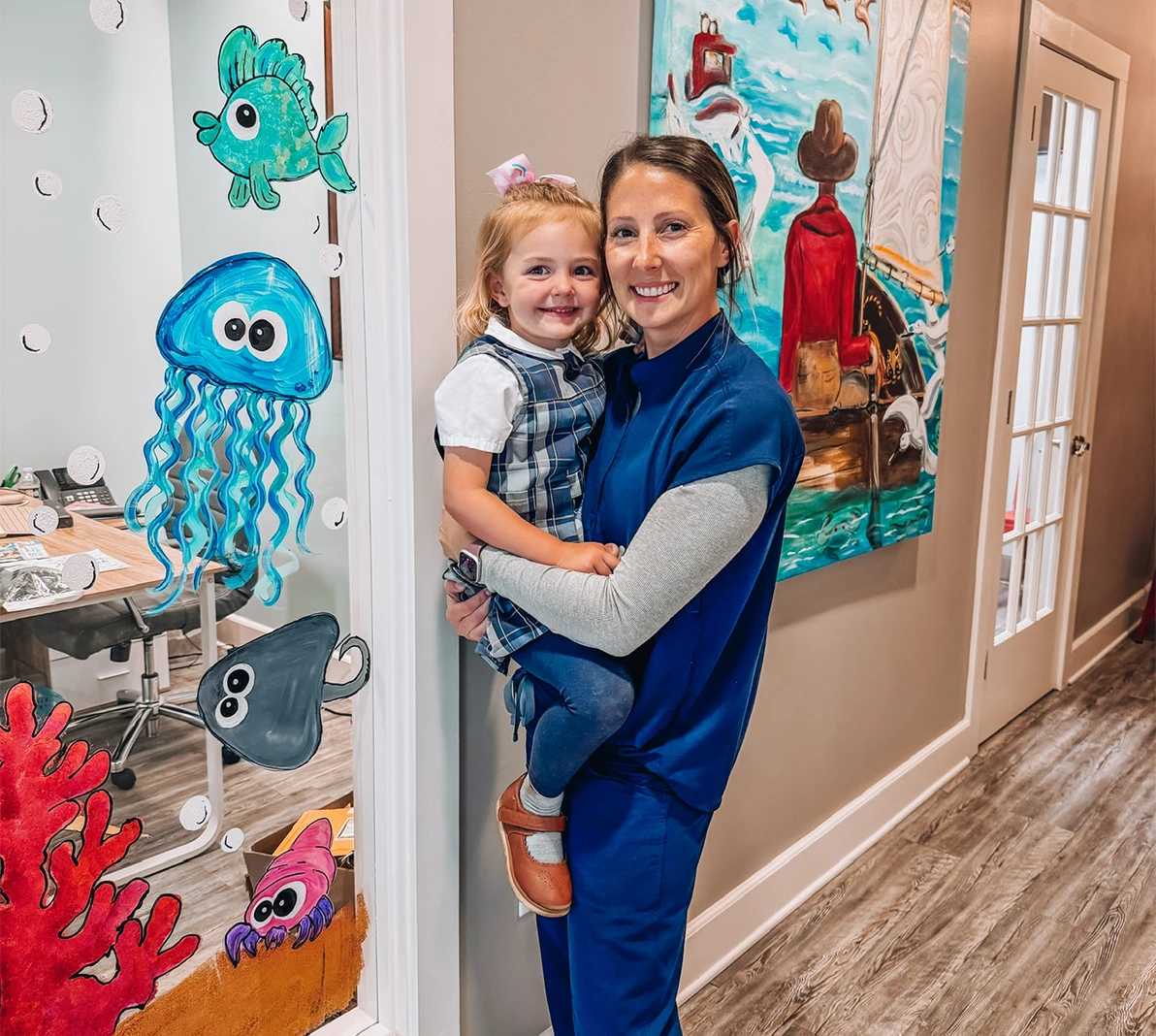
Walk into a pediatric practice and you’ll notice the difference right away. From a nautical-themed waiting area to friendly doctors and staff trained in working with children, every detail is designed to ease anxiety. Children see colors, characters, and small touches that make the practice feel like a place where children love the dentist, not somewhere to fear.
Monitoring Growth Over Time
Beyond cleanings and fillings, pediatric dentists watch how your child’s teeth, jaw, and bite develop. Early observation can flag concerns like crowding, crossbite, or delayed eruption before they become bigger problems. According to the American Academy of Pediatric Dentistry (AAPD), establishing a dental home by age one supports better long-term outcomes.
How to Evaluate a Pediatric Dentist: Step by Step
Evaluating a pediatric dentist comes down to five things: credentials, services offered, office environment, parent reviews, and emergency availability. Start by confirming board certification, then look at the range of treatments available, tour the practice, read recent reviews from families, and ask how the doctors and staff handle urgent situations after hours.
Step 1: Verify Credentials and Training
Look for these specific qualifications:
- Dental degree (DMD or DDS) from an accredited dental school
- Pediatric dentistry residency of two to three years
- Board certification by the American Board of Pediatric Dentistry
- Active membership in professional groups like the AAPD, ADA, and Alabama Dental Association
At our practice, our doctors are board-certified pediatric dentists with specific education credentials listed openly so parents can review them.
Step 2: Review Services Offered
A good pediatric practice covers preventive, restorative, and supportive care. Ask about:
- Routine oral health exams and professional cleanings
- Fluoride treatments and dental sealants
- Tooth-colored fillings and silver diamine fluoride
- Nitrous oxide (laughing gas) for anxious children
- Care for children with special healthcare needs
- Emergency dental visits
Step 3: Assess the Office Environment
Visit the practice before your child’s first appointment if possible. Families touring practices in Spanish Fort, AL often look for:
- A child-friendly waiting area with toys, books, or themed décor
- Kind doctors and staff who greet families warmly
- Treatment rooms designed to feel calm, not clinical
- Visible safety and cleanliness standards
Step 4: Check Reviews and Ask About Behavior Management
Read recent Google reviews and pay attention to how the practice responds. Owner responses to reviews show a practice that listens. Ask the doctors and staff how they handle a child who is nervous, crying, or uncooperative. Gentle techniques like tell-show-do, positive reinforcement, and modeling help build trust.
Step 5: Confirm Emergency Care and Scheduling
Children’s dental emergencies don’t follow office hours. Ask whether the practice has doctors on-call for pediatric dental emergencies and how scheduling works for sick visits, school holidays, and follow-ups.
Key Qualities and Benefits of the Right Pediatric Dentist
The right pediatric dentist offers five things that matter most: specialized training, full-range services, a calming environment, gentle communication, and a strong preventive focus. Together, these qualities shape how your child feels about dental care for life. Here is what each one delivers:
Specialized Training That Reduces Fear
A dentist trained in child behavior knows how to read a nervous toddler or a guarded teen. That skill turns a potentially scary appointment into a positive dental experience. Over time, children build trust and look forward to visits.
Full-Range Services Under One Roof
When exams, cleanings, fillings, extractions, and comfort options are all available in one place, families avoid juggling multiple providers. That continuity supports connected care for growing smiles.
Sedation and Special Needs Expertise
Some children need extra help to feel comfortable in the dental chair. Nitrous oxide (laughing gas) is a safe, gentle option that helps anxious children relax during procedures. Pediatric specialists are also trained to care for youth with special needs, including sensory sensitivities and medical complexities.
Preventive Focus That Saves Money
Catching a small cavity at a routine oral health exam costs far less than treating an abscess later. Preventive care, sealants, and fluoride treatments lower long-term dental costs and keep your child’s smile healthy.
Gentle Communication That Builds Cooperation
The way a dentist talks to your child matters. Phrases like “let’s count your teeth” or “we’re going to tickle your tooth” feel friendlier than clinical language. Kind, age-appropriate communication helps children feel safe and in control.
The Long-Term Payoff
Choosing a pediatric specialist supports a lifetime of healthy smiles. Children who associate the practice with kindness, encouragement, and comfort grow into adults who keep up with their dental care.
Pediatric Dentist vs. General Dentist: What’s the Difference?
Both pediatric and general dentists provide excellent care, but their training and focus differ in important ways. For children, especially young or anxious ones, a specialist often delivers the most comfortable, age-appropriate experience.
| Feature | Pediatric Dentist | General Dentist |
|---|---|---|
| Additional Training After Dental School | 2-3 year specialty residency | None required |
| Board Certification | American Board of Pediatric Dentistry | General dentistry boards |
| Patient Ages | Infants through teens, special needs youth | All ages |
| Office Design | Built for children’s emotional comfort | Typically adult-focused |
| Behavior Guidance | Specialized training | Limited or none |
| Special Needs Care | Advanced expertise | Often refers out |
| Sedation for Children | Trained in pediatric-specific options | Varies |
| Growth and Development Monitoring | Core part of training | Less detailed |
When a General Dentist Works Well
For older teens with no anxiety, no special needs, and a family that prefers one practice for everyone, a general dentist can be a good fit. Many general dentists also do excellent work with cooperative children.
When a Pediatric Specialist Makes a Bigger Difference
A pediatric dentist becomes especially valuable when your child:
- Is under age 6
- Has dental anxiety or sensory sensitivities
- Needs sedation or hospital dentistry
- Has special healthcare needs
- Needs early evaluation for bite or developmental concerns
The Bottom Line
Pediatric specialists train specifically to make dental care work for children. General dentists treat the full family but may refer complex pediatric cases to a specialist. For your child’s earliest years, choosing a pediatric dental home often pays off.
Cost Factors When Choosing a Pediatric Dentist
Pediatric dental costs depend on a few things. The service type matters most. So does your insurance coverage. Preventive visits cost less than restorative work. Routine exams and cleanings cost less than fillings or comfort procedures, and in-network insurance reduces out-of-pocket expense. Asking about payment plans, transparent pricing, and preventive options like silver diamine fluoride helps families plan ahead.
What Affects the Price
Several factors influence what you’ll pay:
| Cost Factor | Impact on Price |
|---|---|
| Service type | Exams and cleanings cost less than fillings, crowns, or sedation |
| Insurance status | In-network providers reduce out-of-pocket cost |
| Sedation needs | Nitrous oxide and other comfort options add fees |
| Treatment timing | Early care costs less than treating advanced decay |
| Materials | Tooth-colored fillings may differ in cost from other options |
Insurance and Payment Questions to Ask
Before your first visit, ask the practice:
- Do you accept my dental insurance plan?
- Are you in-network or out-of-network?
- What forms of payment do you accept?
- Do you offer payment plans for larger treatments?
- Can you provide an estimate before treatment begins?
Why Preventive Care Saves Money
A routine oral health exam and professional cleaning is one of the smartest investments you can make in your child’s health. Catching a small spot of decay early often means a simple filling instead of a crown or extraction later. Sealants and fluoride treatments add another layer of protection at a modest cost.
Cost-Effective Treatment Options
Some children benefit from minimally invasive treatments. Silver diamine fluoride is a safe, effective option that can stop cavity progression without traditional drilling, and it often costs less than a filling. Ask your pediatric dentist whether this approach is right for your child.
Transparent Pricing Matters
A trustworthy practice gives families clear estimates upfront. You shouldn’t be surprised by a bill after the appointment.
Is a Pediatric Dentist Right for Your Child?
A pediatric dentist is the right choice for most children, especially during their early years. Families across Spanish Fort, AL often ask who benefits most. Here’s the answer:
- Infants and toddlers establishing their first dental home
- Children with dental anxiety who need extra patience and gentle care
- Kids with special healthcare needs requiring specialized accommodations
- Young patients needing sedation or hospital-based dental treatment
- Children with developmental concerns like tongue-tie, lip-tie, or early bite issues
- Teens who still benefit from age-appropriate, growth-aware care
When to Schedule the First Visit
The American Academy of Pediatric Dentistry recommends a child’s first dental visit by age one, or within six months of the first tooth coming in. Early visits help your child get comfortable with the practice and let the doctors and staff catch any concerns early.
Signs Your Child Could Benefit from a Specialist
You may want to consider a pediatric dentist if your child:
- Cries, clings, or refuses to open their mouth at appointments
- Has sensory or developmental differences
- Has visible decay, staining, or chipped teeth
- Needs help breaking habits like thumb-sucking or pacifier use
- Has had a dental injury or trauma
What to Expect at the First Visit
First visits are short, friendly, and focused on building trust. Your child might sit on your lap, count teeth in a mirror, or take a ride in the dental chair. Families visiting our Spanish Fort, AL practice find we meet children where they are and never push beyond their comfort.
Frequently Asked Questions
Are baby teeth really that important to my child?
Yes, baby teeth matter more than parents often expect. They help your child chew, speak clearly, and hold space for permanent teeth coming in behind them. Decay in baby teeth can cause pain, infection, and problems with the permanent teeth developing underneath. Caring for baby teeth supports healthy adult smiles down the road.
What should I use to clean my baby’s teeth?
Before teeth come in, wipe your baby’s gums with a clean, damp washcloth after feedings. Once the first tooth appears, use a soft infant toothbrush with a tiny smear of fluoride toothpaste, about the size of a grain of rice. Brush twice a day and ask your pediatric dentist for guidance at your first visit.
Should I use toothpaste with my child?
Yes, fluoride toothpaste is recommended at any age, in age-appropriate amounts. For children under 3, use a rice-grain-sized smear. For children ages 3 to 6, use a pea-sized amount. Supervise brushing until your child can spit reliably and brush well on their own, usually around age 7 or 8.
At what age should my child first see a pediatric dentist?
The American Academy of Pediatric Dentistry recommends a first visit by age one or within six months of the first tooth erupting. Early visits help establish a dental home, give parents guidance on home care, and make future appointments feel familiar and comfortable.
How often should children visit the dentist?
Most children should have an oral health exam and professional cleaning every six months. Some children may need more frequent visits if they have a higher cavity risk, orthodontic concerns, or special healthcare needs. Your pediatric dentist will recommend the right schedule for your child.
What questions should I ask before choosing a pediatric dentist?
Helpful questions include:
- Are you board-certified in pediatric dentistry?
- What ages do you treat?
- How do you handle anxious or uncooperative children?
- Do you offer nitrous oxide (laughing gas) or other comfort options?
- Are you available for after-hours emergencies?
- Do you accept my insurance, and can you provide cost estimates?
How do I help my child feel calm before a dental visit?
Keep your own tone relaxed and positive in the days leading up to the appointment. Read picture books about visiting the dentist, and let your child bring a comfort item like a stuffed animal. Avoid words like “hurt” or “shot,” and instead describe the visit as a chance to count and clean their teeth. The doctors and staff will guide your child gently through each step, building trust along the way so future visits feel even easier and more familiar.